SEASONAL AFFECTIVE DISORDER
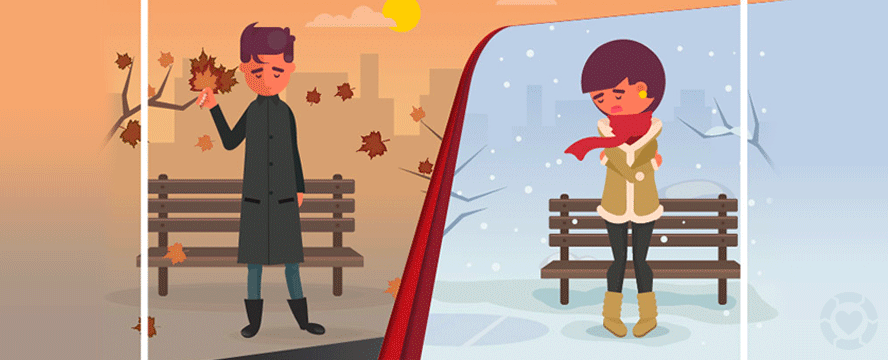
Symptoms occur during particular annual seasons
(generally beginning late fall/early winter)
In a study performed by Norman Rosenthal and colleagues, an interesting pattern was discovered.5
- Individuals living in the state of Maryland were analyzed.
- The days became shorter in day light span as the year progressed forward.
- During the last few months and the first few years of each year, the highest amount of depressive moods were reported.
- This shows the impact which sunlight has on individuals in their day-to-day life.
MAJOR DEPRESSIVE DISORDER
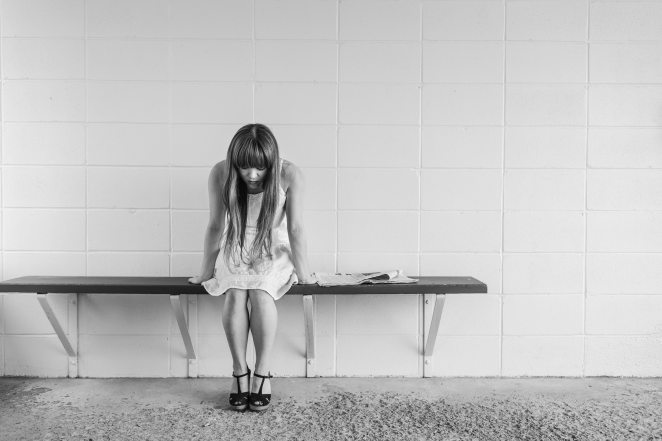
Symptoms persist for at least two weeks
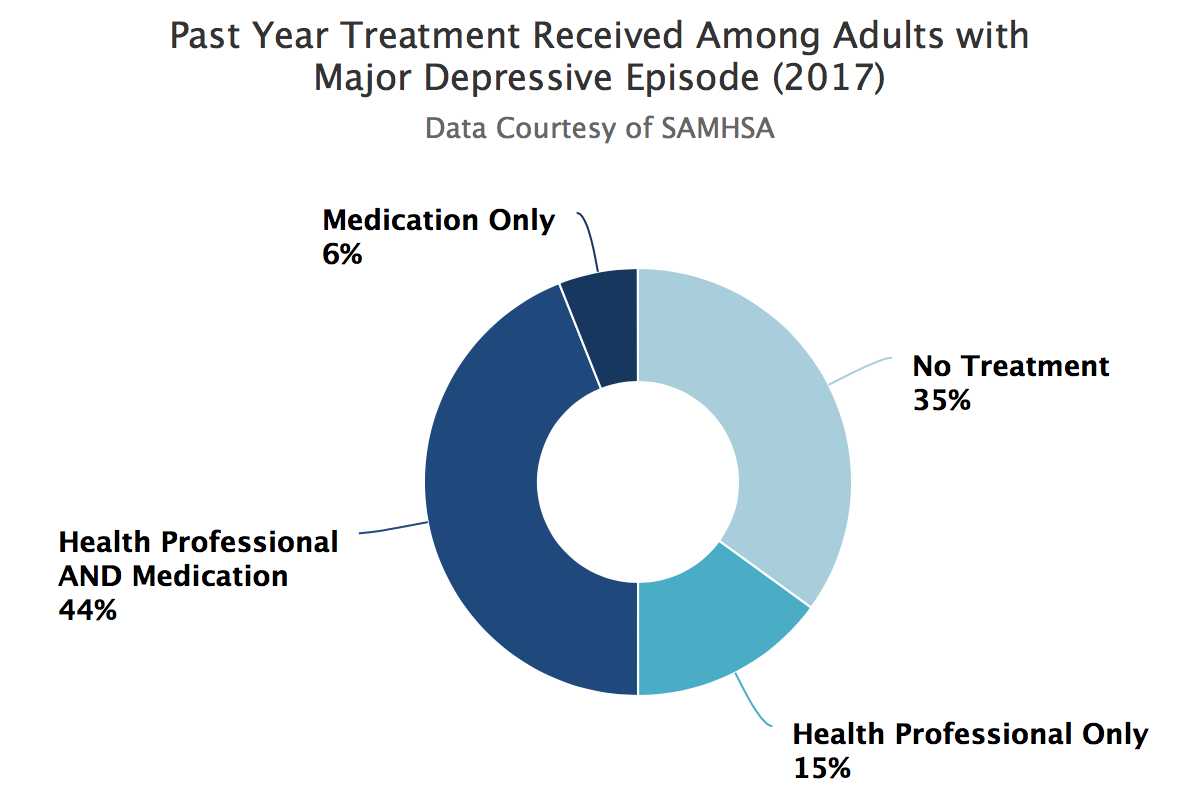
The National Institute of Mental Health gathered data on the specific treatment types used on average by individuals 18 years and older to aid in overcoming their symptoms of Major Depressive Disorder3:
- An estimated 65% received combined care by a health professional and medication treatment.
- Treatment with medication alone was least common (6%).
- Approximately 35% of adults with major depressive episode did not receive treatment.
PERSISTENT DEPRESSIVE DISORDER

Photo by Jeffrey Czum from Pexels
Symptoms persist for two years or longer
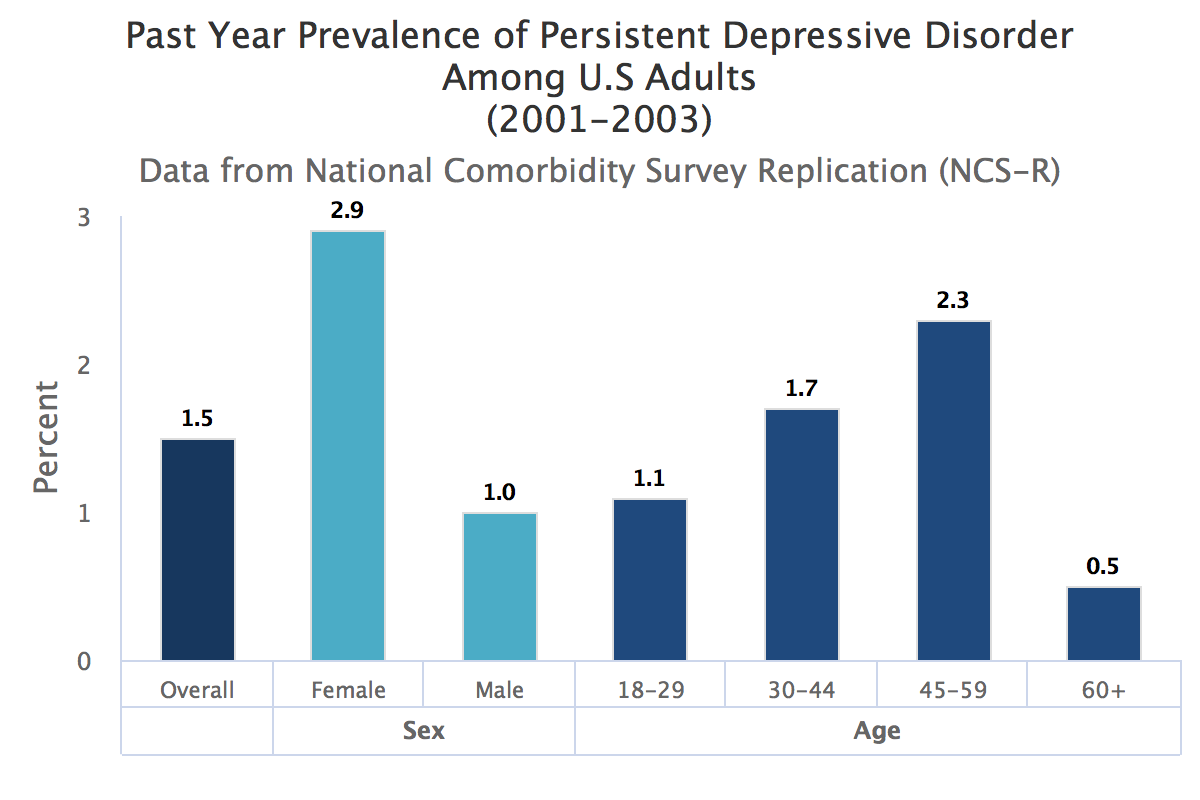
In a study done by the National Institute of Mental Help in regards to Persistent Depressive Disorder among adults (18 years or older), the following was concluded4:
- An estimated 1.5% of U.S. adults had persistent depressive disorder in the past year.
- Past year prevalence of persistent depressive disorder among adults higher for females (1.9%) than for males (1.0%).
- An estimated 1.3% of U.S. adults experience persistent depressive disorder at some time in their lives.


